Summary
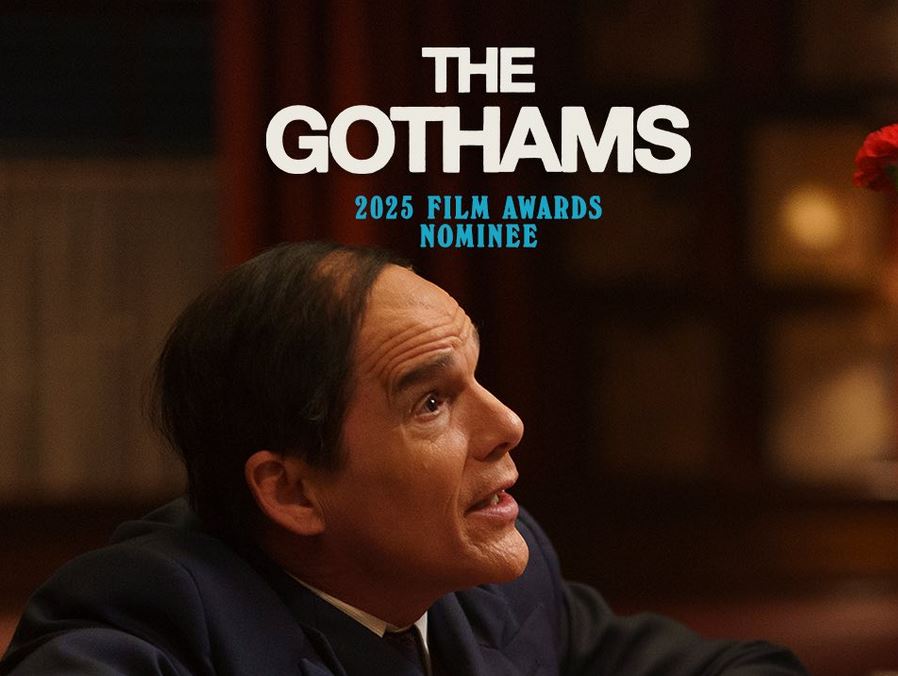
Blue Moon is a biographical drama directed by Richard Linklater, focusing on the life of legendary Broadway lyricist Lorenz Hart. Set during the premiere night of Rodgers & Hammerstein’s Oklahoma! in 1943, the film explores Hart’s personal struggles, his fading relevance, and the emotional toll of watching his career and partnership with Richard Rodgers dissolve. With a real-time structure and rich dialogue, Blue Moon is a melancholic and insightful portrait of creativity, loss, and longing.
Plot
The story unfolds in Sardi’s Restaurant, New York, on March 31, 1943—the night of the Oklahoma! premiere.
Lorenz Hart (Ethan Hawke) is a celebrated lyricist whose career is in decline. As he navigates the event, he is haunted by memories of his collaboration with Richard Rodgers (Andrew Scott) and his own personal demons, including alcoholism and unrequited love.
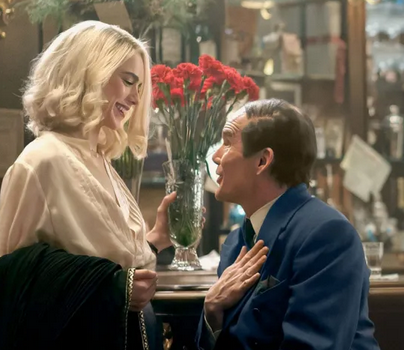
Hart is surrounded by friends, colleagues, and his protégée Elizabeth Weiland (Margaret Qualley), who each reveal different facets of his life and struggles. Through sharp, emotionally charged conversations, the film examines Hart’s legacy, his insecurities, and his place in a changing Broadway world.
Main Actors
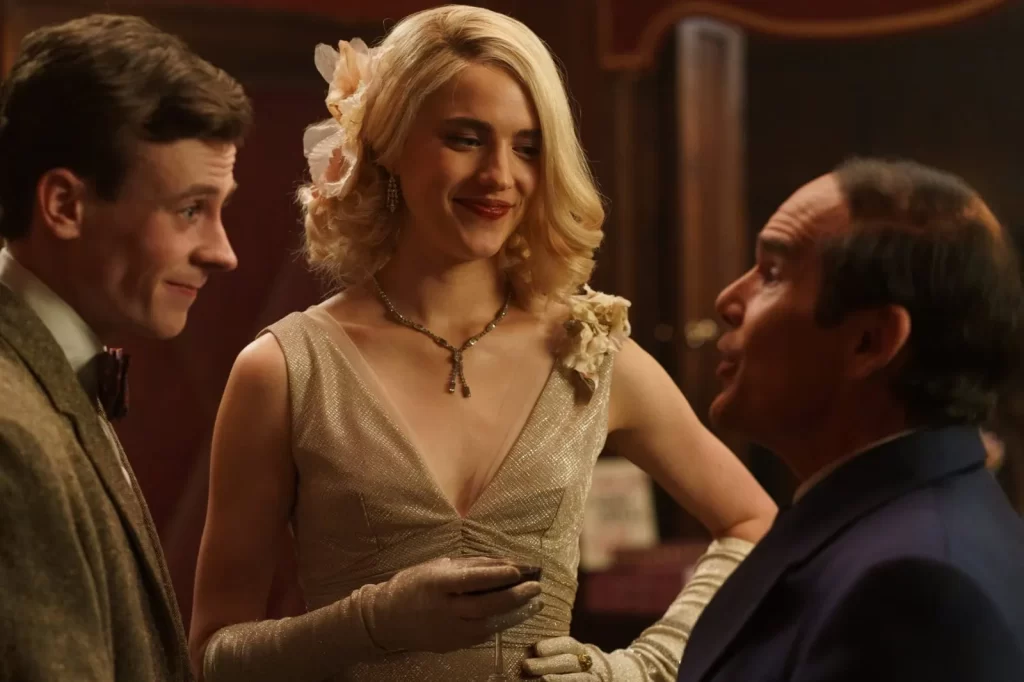
- Ethan Hawke as Lorenz Hart
- Andrew Scott as Richard Rodgers
- Margaret Qualley as Elizabeth Weiland
- Bobby Cannavale as Eddie
- Judy Greer as Dorothy Hart
Where to Watch
Blue Moon is available in select theaters and on streaming platforms such as Apple TV+ and Sony Pictures Classics On Demand. It can also be rented or purchased on major digital platforms including Amazon Prime Video and Google Play Movies.
Awards Received
- Silver Bear for Best Supporting Actor (Andrew Scott) – Berlin International Film Festival
- Nominated for Best Actor (Ethan Hawke) – Independent Spirit Awards
- Nominated for Best Adapted Screenplay – Critics’ Choice Awards
- High ratings on Rotten Tomatoes (89%) and Metacritic (80/100)
Review
Blue Moon is a biographical comedy-drama directed by Richard Linklater and written by Robert Kaplow, inspired by the life and letters of legendary Broadway lyricist Lorenz Hart.
Released on October 17, 2025, the film is distributed by Sony Pictures Classics and unfolds almost entirely in real time during one fateful night at Sardi’s Restaurant in New York City, coinciding with the premiere of Rodgers & Hammerstein’s Oklahoma!—a show that marked the end of Hart’s era and the rise of a new Broadway generation.
Filming took place in Dublin, Ireland, with meticulous attention to period detail, capturing the atmosphere of 1940s New York with elegance and authenticity.
Synopsis (No Spoilers)
The film centers on Lorenz Hart (Ethan Hawke), a once-celebrated lyricist whose career is in decline. As he navigates the premiere night of Oklahoma!, Hart is haunted by his lost partnership with Richard Rodgers (Andrew Scott) and his own personal demons.
Surrounded by friends, colleagues, and his protégée Elizabeth Weiland (Margaret Qualley), Hart reflects on his life, his art, and the painful sense of irrelevance that comes with being left behind. The story unfolds with sharp dialogue, poignant humor, and emotional depth, exploring themes of creativity, loss, and the passage of time.
In-Depth Analysis (With Spoilers)
Central Themes and Message
Blue Moon delves into the psyche of the artist, particularly the tragedy of creative obsolescence. Hart, despite his genius, is consumed by insecurity, alcoholism, and the pain of watching his former partner succeed without him. The film examines the tension between artistic ambition and personal fulfillment, as well as the loneliness that often accompanies genius. The title itself—referencing Hart’s most famous song—serves as a metaphor for unattainable dreams and the bittersweet nature of longing.
Narrative Structure and Character Development
The film’s real-time structure gives it a theatrical, almost stage-like quality. Linklater’s direction allows the audience to experience Hart’s inner turmoil through extended conversations and subtle gestures. The supporting characters—Rodgers, Elizabeth, and Eddie (Bobby Cannavale)—each represent different facets of Hart’s life and struggles. The narrative is driven by dialogue, with the characters’ interactions revealing layers of history, regret, and hope.
Key Scenes and Impact
One of the most powerful scenes is Hart’s confrontation with Rodgers, where years of resentment, admiration, and regret come to the surface. The dialogue is layered, with both men expressing their feelings through veiled insults and cautious gestures of reconciliation. Elizabeth’s confession about her own unrequited love adds another layer of emotional complexity, highlighting the universality of Hart’s experience.
Performances and Characters
Ethan Hawke delivers a career-defining performance as Lorenz Hart, capturing the character’s wit, vulnerability, and self-destructive tendencies with remarkable nuance. His portrayal is widely regarded as one of the best of his career, earning praise from critics and audiences alike. Andrew Scott is equally compelling as Richard Rodgers, embodying the character’s mix of admiration and frustration. Margaret Qualley brings warmth and energy to Elizabeth, while Bobby Cannavale provides a grounded presence as Eddie.
Technical Aspects
The cinematography by Shane F. Kelly is elegant and expressive, using light and shadow to mirror Hart’s emotional state. The production design and costumes are meticulously detailed, immersing the viewer in the world of 1940s Broadway. The soundtrack, featuring classic Rodgers & Hart songs, adds depth and nostalgia to the film.
Comparisons and Influences
Blue Moon draws comparisons to other biopics of artists, such as Ray and Bohemian Rhapsody, but its intimate, dialogue-driven approach is closer to Linklater’s own works like Boyhood and Before Sunrise. The film also shares thematic similarities with My Week with Marilyn, focusing on the inner lives of its subjects rather than grand spectacle.
Strengths and Weaknesses
Strengths:
- Ethan Hawke’s tour-de-force performance.
- Rich, intelligent dialogue and character development.
- Authentic period atmosphere and visual style.
- Emotional depth and thematic resonance.
Weaknesses:
- The slow pace and theatrical structure may not appeal to all audiences.
- The film’s focus on Hart’s personal struggles can feel heavy at times.
Reception
Blue Moon has received overwhelmingly positive reviews, with an 89% rating on Rotten Tomatoes and a Metacritic score of 80 out of 100. Critics have praised Hawke’s performance and Linklater’s direction, with many calling it a career highlight for both. The film has been recognized at several film festivals, including the Berlinale, where Andrew Scott won the Silver Bear for Best Supporting Actor.
Personal Opinion
As someone who appreciates character-driven dramas and the history of Broadway, Blue Moon resonated with me on multiple levels.
The film’s emotional depth, combined with its intelligent script and stellar performances, makes it a must-watch for fans of biopics and musical theater.
While the pacing might feel slow for some viewers, the payoff is well worth it. Hawke’s portrayal of Hart is both heartbreaking and inspiring, reminding us of the sacrifices artists make for their craft.
I highly recommend Blue Moon to anyone interested in the intersection of art, ambition, and personal struggle.
Rating: 8.5/10