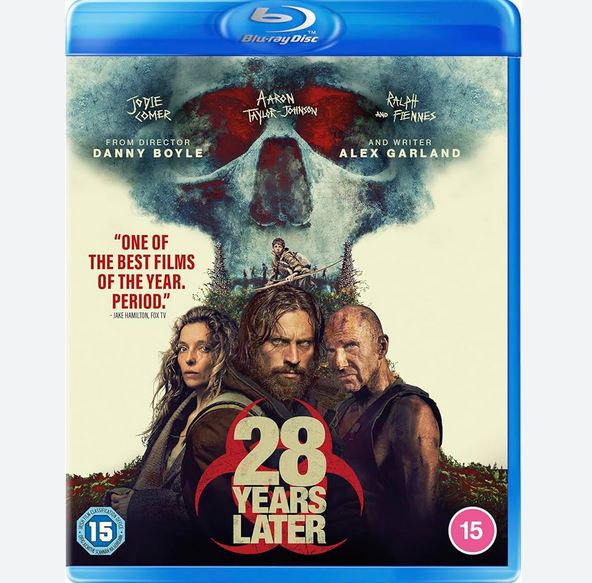
28 Years Later: The Bone Temple emerges as a darker, more disturbing sequel that builds upon the zombie apocalypse franchise with confidence and thematic depth. Directed by Nia DaCosta and released in January 2026, this second installment in the planned trilogy takes a dramatically different approach from Danny Boyle’s frenetic predecessor, opting for restraint and meditation over relentless aggression.
Plot and Premise
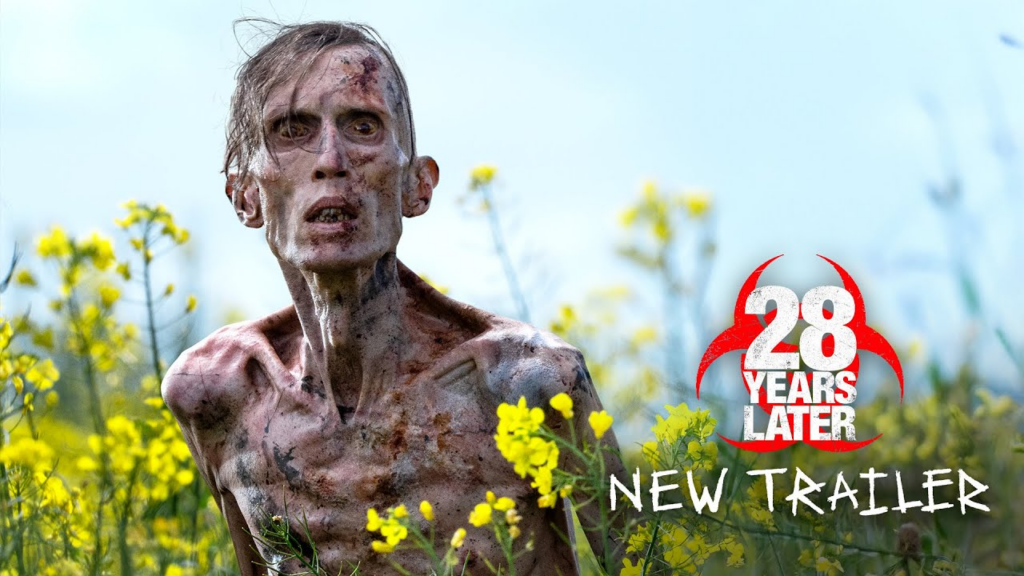
The film follows three key characters navigating a post-apocalyptic England where survivors face threats far more sinister than the infected. At the center stands Dr. Ian Kelson, played by Ralph Fiennes, an orange-skinned guardian of the mysterious Bone Temple who transforms from an ominous figure into an unlikely force for good. The narrative weaves together multiple storylines, including the return of Jimmy, the eight-year-old boy from the opening of the previous film, now grown into a diabolical Satanist cult leader played by Jack O’Connell.
Performance Highlights
Ralph Fiennes delivers an extraordinary performance as the man of science torn between profound grief for an extinguished society and near-psychotic willingness to break rules to restore order. His portrayal ranges from treating the infected character Samson with tenderness reminiscent of the blind hermit in Frankenstein, to his bonkers commitment during a hallucinatory Bone Temple ceremony comparable to the apex of Apocalypse Now.
Jack O’Connell chews the scenery as Jimmy, the satanic cult leader who commands a pack of impressionable children weaponizing ritual, belief, and so-called “charity”. His performance strikes the perfect balance between diabolical glee and menace without tipping into parody.
Direction and Tone
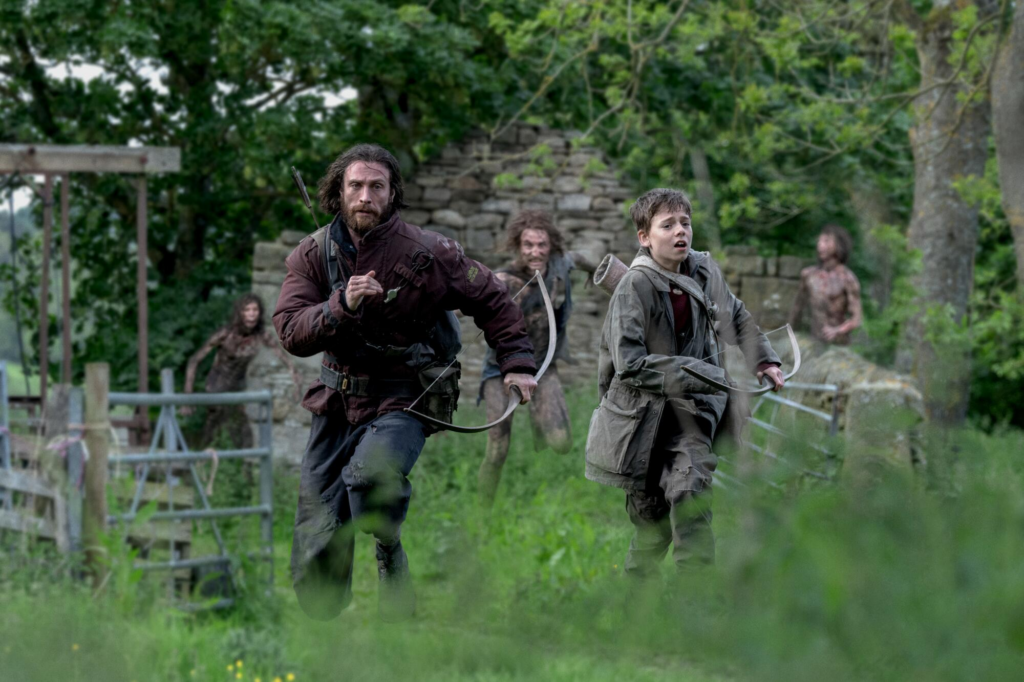
Nia DaCosta nimbly takes the reins of the franchise, demonstrating impressive command over pacing and tone modulation. Unlike Boyle’s vapid, highly caffeinated approach, DaCosta’s vision feels calm, cool, and confident. She weaves together several intersecting storylines without losing momentum, allowing the film to ebb and flow between ruthless violence and genuinely thoughtful meditations on hive minds, belief systems, and the human need for connection.
The film respects what was established in the prior entry while varying pacing and tone to disturb and intrigue. This middle entry of the trilogy functions as the perfect franchise bridge, living up to both high standards and franchise-laden mythology.
Violence and Horror Elements
The Bone Temple proves far bloodier than earlier franchise entries, stoking shock and fear through gratuitous acts of sadism perpetrated by Jimmy Crystal and his gang. What initially appears to be a zombie-hunting patrol reveals itself as a nihilistic band of renegade Satanists who pillage for pleasure, invading homes and killing all who cross their path. The Clockwork Orange connection becomes most acute when they raid a farmhouse and torture its inhabitants.
An early scene involving Jimmy’s version of “charity” delivers brutal and deeply unsettling content not for the squeamish. Despite the carnage, DaCosta’s real strength lies in how confidently she modulates tone, refusing to rush past themes in favor of spectacle alone.
Themes and Spectacle
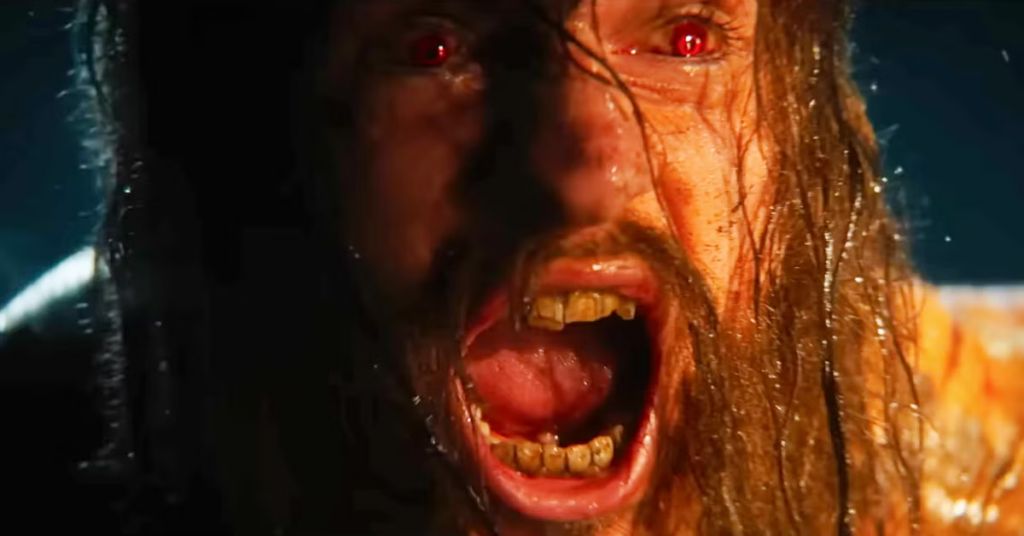
The film achieves something most gory zombie flicks rarely attempt: it has a heart. DaCosta explores inhumanity through incredible spectacle whose conscious hollowness proves telling. One standout sequence features a trippy, fiery, cocaine-induced post-apocalyptic mosh pit where Ian cosplays as a demonic entity while Iron Maiden’s “The Number of the Beast” blares, creating an alluring deconstruction of religion’s theatrics.
The narrative finds both comedy and horror in this post-apocalyptic setting, suggesting that surviving the end of the world requires not brute force or blind rage, but willingness to embrace connection.
Critical Reception
Critics have praised the film with ratings reaching 4.5 out of 5 stars. The consensus describes it as a direct continuation that ups the gore while deepening the dread, finely adorned by Nia DaCosta’s direction. Reviewers note it as an anarchic zombie movie with a heart, managing to be both stomach-churningly gory and meditatively ambitious.
The film is described as a “gnarly, mind-bending trek through inhumanity” that successfully builds up the new trilogy. Critics particularly highlight Ralph Fiennes’ performance as essential viewing.
Minor Criticisms
The film occasionally trusts its ideas more than its momentum, lingering just a beat too long on meditative stretches. However, this feels intentional—a refusal to prioritize spectacle over substance. The narrative is highly dependent on viewers having watched the previous movie, making it less accessible to newcomers.
Box Office Considerations
The Bone Temple faces the challenge of testing the franchise’s staying power, tracking lower than 28 Years Later in early box office projections. This quick-turnaround sequel carries the weight of high standards but manages to live up to expectations.
Final Verdict
28 Years Later: The Bone Temple stands as a solid, sturdy continuation of the franchise that suggests something better waiting on the horizon. It’s far less hyper and erratic than Boyle’s entry, and that restraint works to its advantage. The film succeeds in finding an impressive rhythm between action and contemplation, creating a zombie apocalypse story that dares to have both brains and heart.